
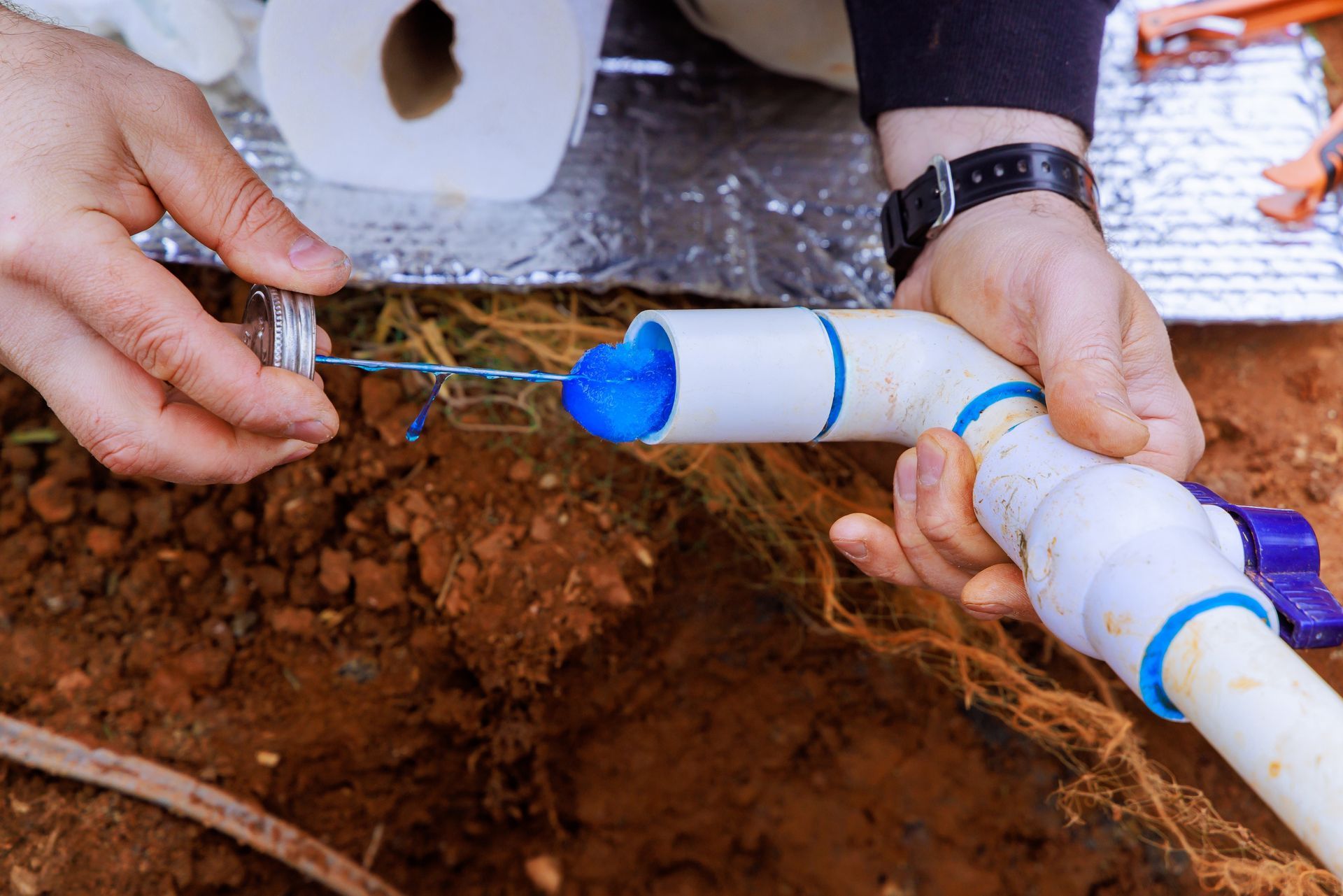
Plumbing Repairs Matched to Pipe Material
Plumbing Services in Harrisburg for remodel-integrated plumbing, repairs, and system upgrades in homes with aging infrastructure
Pipe material identification happens before choosing a repair method because galvanized, cast iron, and PVC each fail differently and require different approaches. Harrisburg-area homes from the 1950s through 1980s frequently have galvanized or cast iron supply and drain lines that interact with remodel scopes, particularly in Carlisle and Dillsburg properties with aging infrastructure encountering modern fixture demands. DunRite Homes diagnoses first and prescribes the right fix for the material, not a one-method-for-everything approach that creates bigger problems by applying the wrong repair to incompatible pipe systems.
Plumbing work during remodels involves evaluating existing supply and drain line condition, determining whether pipes can support new fixture locations and flow demands, running new lines or rerouting existing ones to match updated layouts, and coordinating rough-in stages with remodel framing and finish schedules. Galvanized steel supply lines corrode internally and restrict flow over decades, cast iron drain lines crack and leak at joints, and PVC installations can have improper slope or venting that causes slow drains.
Schedule a plumbing evaluation to identify pipe material and condition before remodel plans are finalized.
Why Material-Specific Diagnosis Prevents Bigger Problems
Galvanized supply lines develop internal rust buildup that narrows the pipe diameter and reduces pressure, and attempting to cut into corroded galvanized pipe often reveals blockages so severe that patching one section just shifts the problem downstream. Cast iron drain lines become brittle with age and crack when disturbed, so replacing a short section may expose failures in adjacent pipe that wasn't visible until work started. PVC drain systems installed incorrectly can have inadequate slope or missing vent connections, and adding fixtures to those lines without correcting the underlying installation creates backups and slow drains.
After plumbing work is completed, you'll notice consistent water pressure at all fixtures without the flow drop that occurs when corroded supply lines restrict volume. Drains will clear quickly without gurgling or slow emptying, and no sewer odors will come from vents or traps that are properly connected and vented. New fixtures will operate at their designed flow rates, and remodel work proceeds without plumbing-related delays because pipe condition was assessed and addressed before walls closed up.
Licensed plumbers handle permit applications for supply line replacements, drain reroutes, and water heater installations as required by local code. Response time for service calls and labor warranty terms are confirmed before work begins, so repair expectations are clear upfront. The approach includes checking for hidden leaks or corrosion in crawlspaces and basements that could compromise remodel work or lead to water damage after walls are finished.
What Property Owners Usually Ask
Remodel plumbing decisions involve material compatibility, repair scope, and how aging systems respond to modern fixture demands in older Harrisburg-area homes.
What plumbing issues should I expect in a home built before 1980?
Galvanized supply lines often show reduced pressure from internal corrosion, cast iron drains may have cracks or joint separations, and original venting may not meet current code requirements for added fixtures or bathroom expansions.
How do you determine whether to repair or replace aging plumbing?
If galvanized supply lines show heavy internal corrosion when cut, replacing the entire run prevents future failures in adjacent sections, while cast iron drains with isolated cracks can sometimes be patched if the surrounding pipe is still sound and properly supported. and colors to fit every look and budget.
What plumbing work requires permits during a remodel in Harrisburg?
Supply line reroutes, drain line modifications, water heater replacements, and fixture additions that affect venting or drainage all require permits, while basic repairs like valve replacements or trap cleanouts typically do not.
How long does plumbing rough-in take during a remodel project?
Rough-in typically takes one to three days depending on whether new supply or drain lines are being run, with additional time needed if access is limited or if unexpected pipe failures are discovered when walls are opened.
Can I add a bathroom or move plumbing fixtures without replacing all the old pipes?
New fixtures can connect to existing supply and drain lines if those lines have adequate capacity and are in good condition, but corroded galvanized supply or deteriorated cast iron drains often require replacement once they're disturbed during remodel work.
DunRite Homes identifies pipe material and condition during remodel planning so the correct repair method is applied before issues escalate mid-project. Arrange an assessment to evaluate your home's plumbing infrastructure and confirm compatibility with planned fixture upgrades or layout changes.