
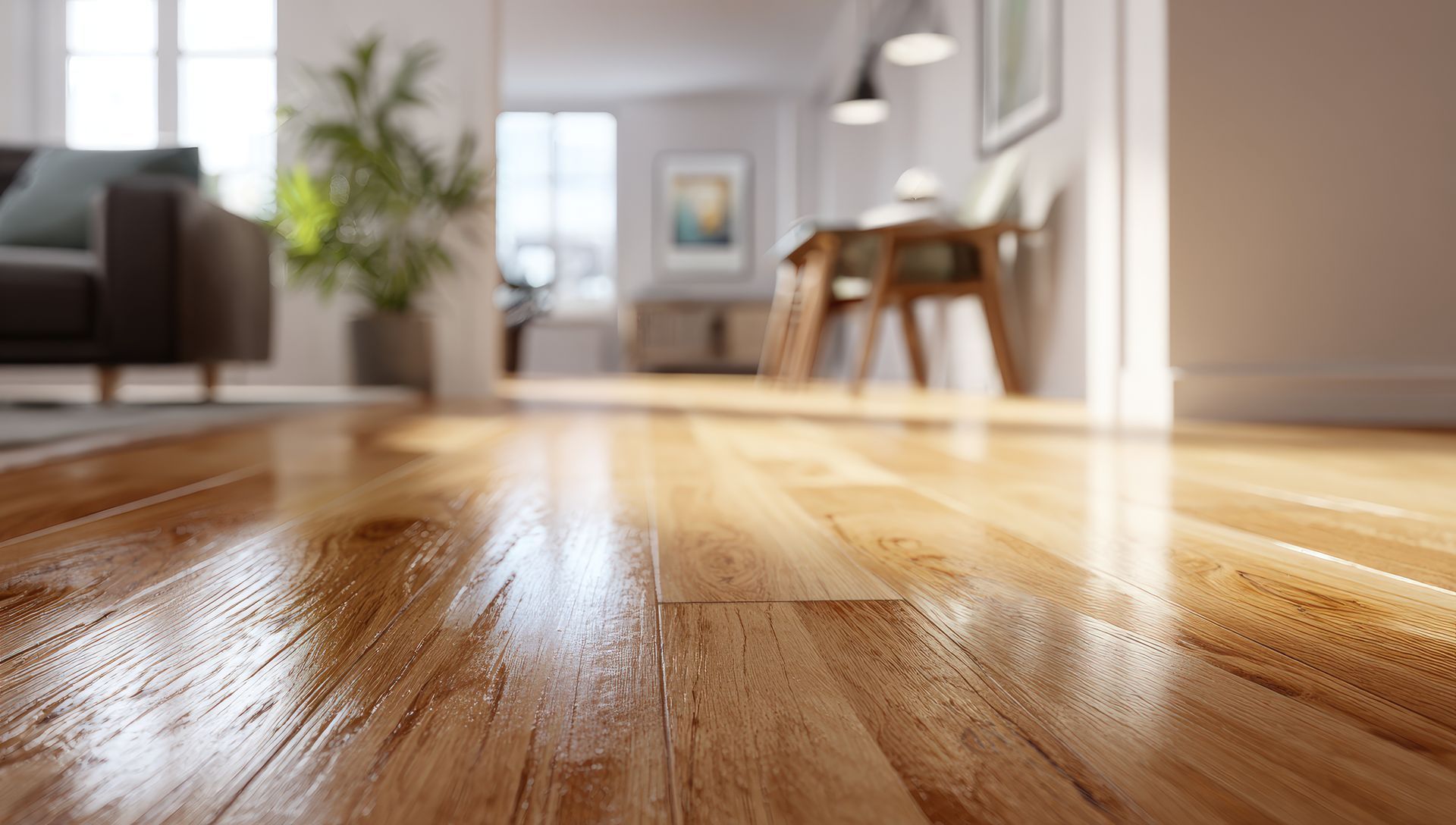
Floors That Hold Up to Pennsylvania Seasons
Flooring in Harrisburg for hardwood, LVP, tile, and carpet installation in homes dealing with humidity swings and high-traffic wear
Harrisburg's humidity swings between seasons make moisture acclimation critical for hardwood and engineered floor installations, particularly in Mechanicsburg and Hershey homes replacing original carpet with hardwood or LVP in high-traffic areas. Subfloor flatness verification and material acclimation time before installation prevent buckling and gapping callbacks from skip-the-prep crews who prioritize speed over performance. DunRite Homes installs flooring with acclimation and subfloor prep as non-negotiable steps in the process, not items cut to meet a schedule, so the finished floor performs correctly through seasonal moisture changes.
Flooring installation involves subfloor inspection and leveling, material acclimation to match interior humidity levels, layout planning to minimize visible seams or awkward cuts, and fastening or adhesive application suited to the flooring type and subfloor condition. Hardwood and engineered products expand and contract with humidity, so they require acclimation time in the space where they'll be installed before fasteners go in.
Schedule a flooring consultation to evaluate your subfloor condition and discuss material options suited to your home's traffic patterns.
How Proper Floor Preparation Works in Pennsylvania's Climate
Subfloor flatness directly affects how the finished floor looks and performs—high spots create rocking planks, and low spots create gaps where the flooring can't make contact. A straightedge reveals variations, and anything beyond an eighth inch over ten feet gets addressed with grinding, shimming, or leveling compound before flooring goes down. Material acclimation means bringing the product into your home and letting it sit for several days so its moisture content matches the interior environment, which prevents expansion buckling in summer or gapping in winter when humidity drops.
Once installation is complete, you'll notice floors that sit flat without rocking or squeaking when walked on, seams that remain tight through seasonal changes, and no visible gaps along walls or transitions. Hardwood and LVP will expand and contract within their designed tolerance without buckling at edges or separating at joints. Tile floors will feel solid underfoot without hollow spots that indicate poor adhesive coverage, and grout lines will stay intact without cracking from subfloor movement.
Refinishing is available for solid hardwood floors showing wear or surface damage, and subfloor repair capability ensures that rotted or damaged underlayment gets replaced before new flooring is installed. The approach includes checking for moisture issues in basements or crawlspaces that could compromise floor performance, since elevated humidity accelerates hardwood cupping and engineered layer delamination.
Common Questions About This Service
Flooring decisions involve material selection, preparation requirements, and how installations hold up to real-world use in homes with seasonal humidity changes.
What flooring material works best for high-traffic areas in Harrisburg homes?
LVP offers durability and moisture resistance for kitchens and entryways, solid hardwood provides refinishing longevity for living areas, and tile works well in bathrooms or mudrooms where water exposure is frequent.
How long does flooring material need to acclimate before installation?
Hardwood and engineered products typically require 48 to 72 hours in the installation space to stabilize moisture content, while LVP may need 24 hours depending on temperature differences between storage and the home.
What happens if the subfloor isn't flat before flooring installation?
Uneven subfloors cause planks to rock or create gaps under the flooring, leading to squeaks, visible height differences, and premature wear at high spots where foot traffic concentrates pressure on unsupported sections.
Can hardwood floors be refinished if they get scratched or worn?
Solid hardwood can be sanded and refinished multiple times over its lifespan, while engineered hardwood has a thinner wear layer that limits refinishing to one or two passes depending on the product.
How do humidity swings in Harrisburg affect hardwood flooring performance?
Winter heating drops indoor humidity and causes hardwood to contract and create small gaps between planks, while summer humidity causes expansion that can lead to buckling if acclimation wasn't done correctly or if expansion gaps weren't left at walls.
DunRite Homes installs flooring with the prep work completed correctly so performance holds through Pennsylvania's seasonal climate shifts. Request a detailed estimate based on your current floor condition and the material you're considering for replacement.